


Why You Should Avoid Merino Wool Blends: Microplastics, Skin Exposure, and How to Find 100% Merino Wool
Merino wool has earned its reputation as one of the best natural performance fabrics ever discovered. It regulates temperature, resists odor, breathes naturally, and feels soft against the skin.
Because of these qualities, merino wool has become extremely popular in athletic clothing, travel gear, base layers, and everyday wear.
But there is a problem most consumers never realize.
Many garments marketed as “merino wool” are not actually pure merino wool.
Instead, they are merino blends that contain synthetic fibers such as polyester, nylon, acrylic, or elastane. These plastic fibers are mixed directly into the wool yarn during manufacturing.
While brands claim these blends improve durability or stretch, they also introduce something far less appealing:
microplastics and chemical exposure directly against your skin.
If you are choosing merino wool because you want a natural, high-performance fabric, it is important to understand how synthetic blends change the material—and how to identify true 100% merino wool clothing.
What Is Merino Wool?


Merino wool comes from merino sheep, a breed known for producing extremely fine and soft wool fibers.
Unlike traditional wool, merino fibers are much thinner and smoother, which makes them comfortable to wear directly on the skin. This is why merino wool is commonly used for base layers, underwear, athletic clothing, and travel garments.
Some of the natural benefits of merino wool include:
Temperature regulation
Merino wool naturally adapts to your body temperature. It keeps you warm in cold weather while remaining breathable in warm conditions.
Moisture management
Wool fibers can absorb moisture vapor without feeling wet. This helps regulate sweat and keeps skin dry.
Odor resistance
Merino wool naturally inhibits odor-causing bacteria, meaning garments can be worn multiple times before needing to be washed.
Breathability
The natural structure of wool fibers allows airflow while still providing insulation.
Biodegradability
Unlike synthetic fabrics, wool fibers break down naturally in soil without leaving plastic pollution behind.
Because of these benefits, many people choose merino wool specifically to avoid synthetic fabrics.
Unfortunately, many merino products today are not actually pure wool.
The Rise of Merino Wool Blends
Over the past decade, clothing companies have increasingly blended merino wool with synthetic fibers.
Common blends include:
-
Merino wool + nylon
-
Merino wool + polyester
-
Merino wool + acrylic
-
Merino wool + elastane (spandex)
These synthetic fibers are woven directly into the wool yarn during the spinning process.
Brands typically claim these blends improve durability or stretch. Synthetic fibers are also significantly cheaper than natural wool, which helps reduce manufacturing costs.
But once plastic fibers are blended into wool, the fabric changes in several important ways.
The garment is no longer purely natural.
It becomes a plastic-containing textile that sits directly against your skin.
Microplastics in Clothing
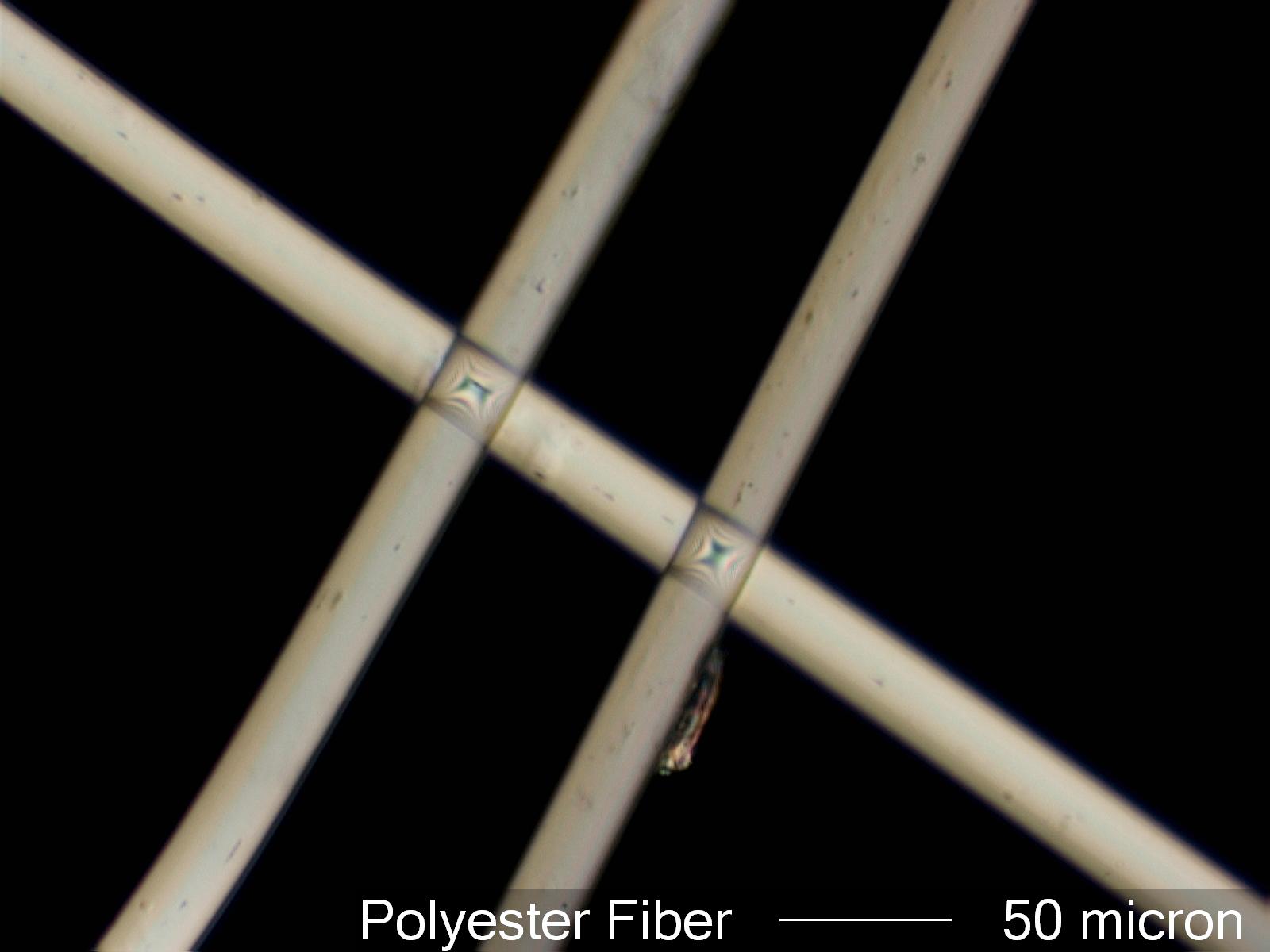


Synthetic fabrics like polyester, nylon, and acrylic are made from petroleum-based plastics.
When these materials are woven into clothing, they do not remain stable forever. With friction, washing, and wear, tiny pieces of plastic break away from the fibers.
These fragments are known as microplastics.
Microplastics are extremely small plastic particles that are now found almost everywhere in the environment, including:
-
Oceans
-
Drinking water
-
Air
-
Soil
-
Human blood and tissue
Clothing is one of the largest sources of microplastic pollution. Research has shown that washing synthetic garments can release hundreds of thousands of microfibers in a single wash cycle.
When merino wool is blended with synthetics, the garment becomes a source of microplastic shedding just like any other synthetic clothing.
This defeats one of the major environmental benefits of wool.
Synthetic Fibers Against the Skin
When people choose merino wool, they often do so because they want a natural fabric touching their skin.
However, synthetic blends introduce plastic fibers directly into the fabric structure.
That means these fibers are constantly in contact with your body.
Clothing sits on the skin for hours every day. During this time, heat, friction, and sweat interact with the fabric.
Synthetic fibers may also contain chemical treatments such as:
-
Fabric finishes
-
Dye stabilizers
-
Antimicrobial coatings
-
Water-repellent chemicals
-
Plastic softeners
While regulations vary by country, many of these chemicals remain embedded in synthetic textiles.
When these plastics are blended with wool, they become part of the garment’s structure and cannot be separated.
Even if the product is marketed as “natural merino,” the fabric may still contain petroleum-derived materials.
Why Pure 100% Merino Wool Is Different


When a garment is made from 100% merino wool, it contains only natural animal fibers.
There are no plastic filaments woven into the yarn.
This preserves the qualities that make wool special.
Fully Natural Fiber
Pure merino wool contains no petroleum-based materials. The fiber comes directly from sheep and is processed into yarn.
Biodegradable
Wool decomposes naturally in soil, returning nutrients such as nitrogen back into the environment.
Synthetic fibers, by contrast, can persist for decades or centuries.
No Plastic Microfibers
Because wool is a natural protein fiber, it breaks down biologically rather than shedding plastic particles.
Breathable and Skin Friendly
Without plastic fibers interfering with the structure of the yarn, merino wool can fully perform its natural moisture and temperature regulation functions.
For people trying to avoid synthetic clothing or reduce plastic exposure, 100% merino wool remains one of the best natural performance fabrics available.
Why Many Brands Use Synthetic Blends
The reason synthetic blends are so common comes down to economics and manufacturing.
There are three main reasons companies blend merino wool with plastics.
Lower Production Costs
Synthetic fibers are much cheaper than merino wool.
Blending them into the yarn reduces the total amount of wool required, lowering the cost of production.
Durability
Synthetic fibers can increase abrasion resistance, which may extend the life of certain garments.
However, modern spinning and knitting techniques can also produce durable fabrics using pure wool.
Stretch
Elastane or spandex fibers are sometimes added to increase stretch in athletic garments.
But these additions also introduce plastic fibers that remain permanently embedded in the fabric.
While these blends may simplify manufacturing, they change the fundamental nature of the material.
How to Identify 100% Merino Wool Clothing
One of the most important things consumers can do is learn how to read clothing labels correctly.
Many products are marketed using vague terms like “merino wool fabric” or “merino performance blend.”
The only reliable place to verify fiber content is the fiber composition label inside the garment.
Look for the Fiber Percentage
Inside every garment is a tag that lists the fiber composition.
A truly pure garment will say:
If the label lists any other materials, the garment is a blend.
Examples include:
12% Nylon
or
30% Polyester
or
5% Elastane
Even small percentages of synthetic fibers mean plastic is present in the fabric.
Watch for Marketing Language
Brands often use phrases that sound natural but actually indicate blends.
Examples include:
-
Merino blend
-
Merino performance fabric
-
Merino enhanced
-
Merino stretch
-
Wool blend
These terms almost always mean synthetic fibers have been added.
Check for Hidden Stretch Fibers
Stretch fabrics frequently include elastane or spandex.
Even 3–5% elastane introduces synthetic plastic filaments into the yarn.
If you want a fully natural garment, the label should list only merino wool.
Why Natural Materials Matter
Clothing is something we interact with every day.
The fabrics we wear affect:
-
Comfort
-
Skin contact
-
Environmental impact
-
Long-term sustainability
Synthetic textiles have become dominant in modern apparel because they are inexpensive and easy to manufacture.
But they come with tradeoffs that many consumers are beginning to question.
Natural fibers like merino wool offer an alternative that prioritizes performance without relying on plastic materials.
By choosing garments made from 100% natural fibers, consumers can reduce their exposure to synthetic fabrics while supporting more sustainable materials.
The Bottom Line
Merino wool is one of the most remarkable natural fibers in the world. It offers comfort, performance, and versatility that synthetic fabrics have tried—and often failed—to replicate.
However, many products marketed as merino wool today are actually synthetic blends that contain polyester, nylon, or elastane.
These plastics introduce microplastics into clothing and reduce the natural benefits of wool.
If you want the true advantages of merino wool, look for garments labeled:
100% Merino Wool
Learning to read clothing labels and avoid synthetic blends can help you choose materials that are better for your skin, your comfort, and the environment.
Sometimes the most advanced fabric technology is not synthetic at all.
It is simply a natural fiber that humans have relied on for thousands of years.